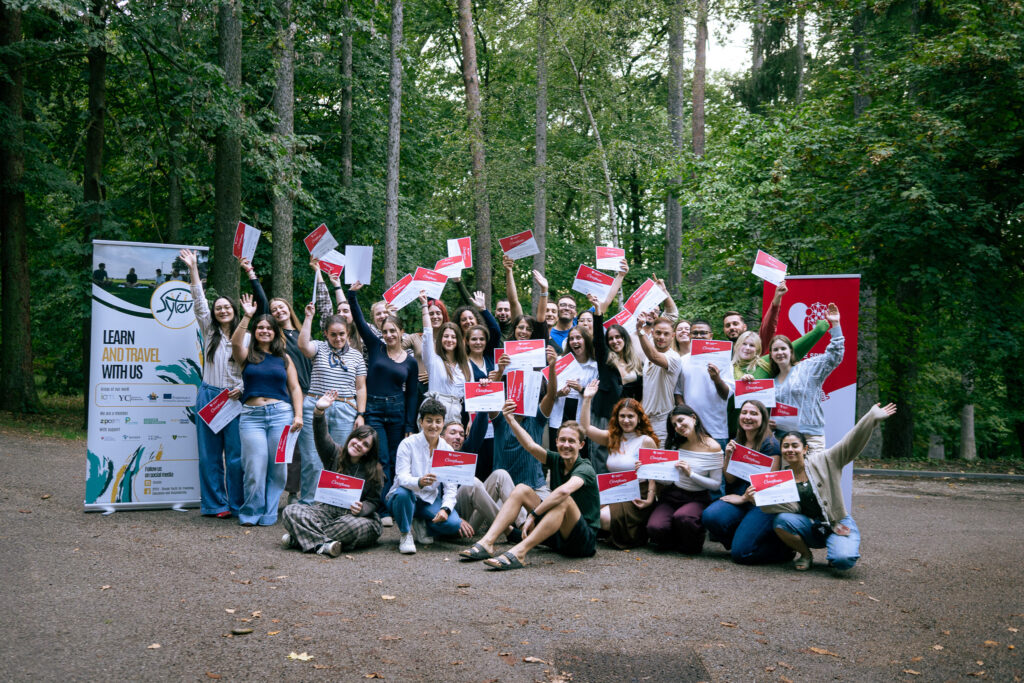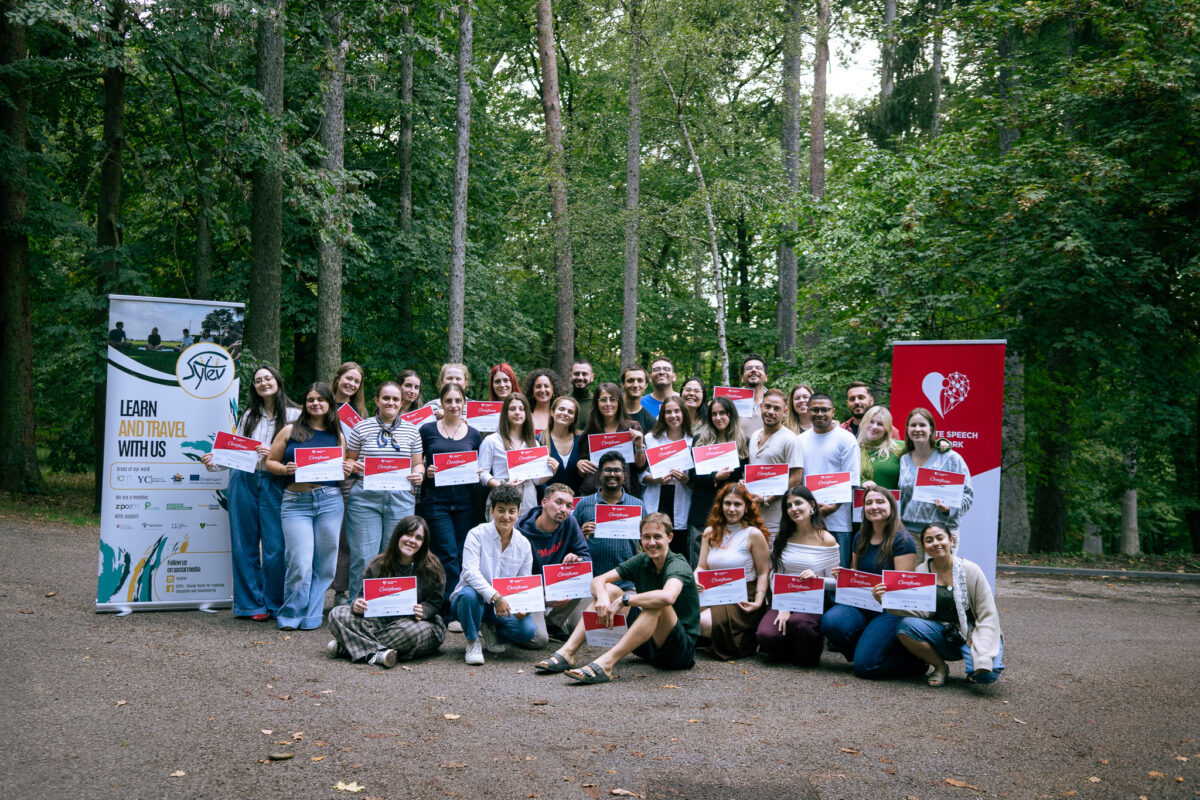
The No Hate Speech Network brought together young people to connect, deepen their understanding of hate speech, and develop projects to challenge it in their own countries.
From 14–17 September 2026, the No Hate Speech Network (NHSN) brought together youth activists, human rights defenders, and youth workers from Council of Europe countries and beyond for the international conference “Changing Narratives: Youth in Action” in Trenčín, Slovakia.
The conference created a space for young people to connect, learn from each other, exchange experiences, and develop practical ideas for addressing hate speech in their own countries. It was also a continuation of NHSN’s work to bring the fight against hate speech back to local realities, engage more young activists, and build a growing community of young people working for human rights, equality, and democracy.
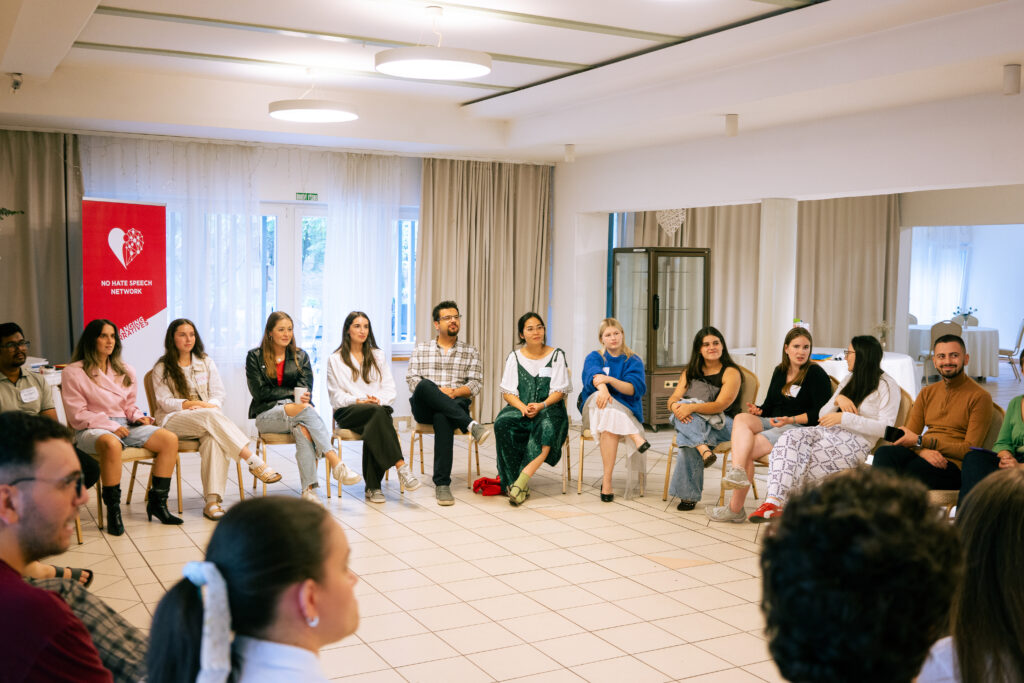
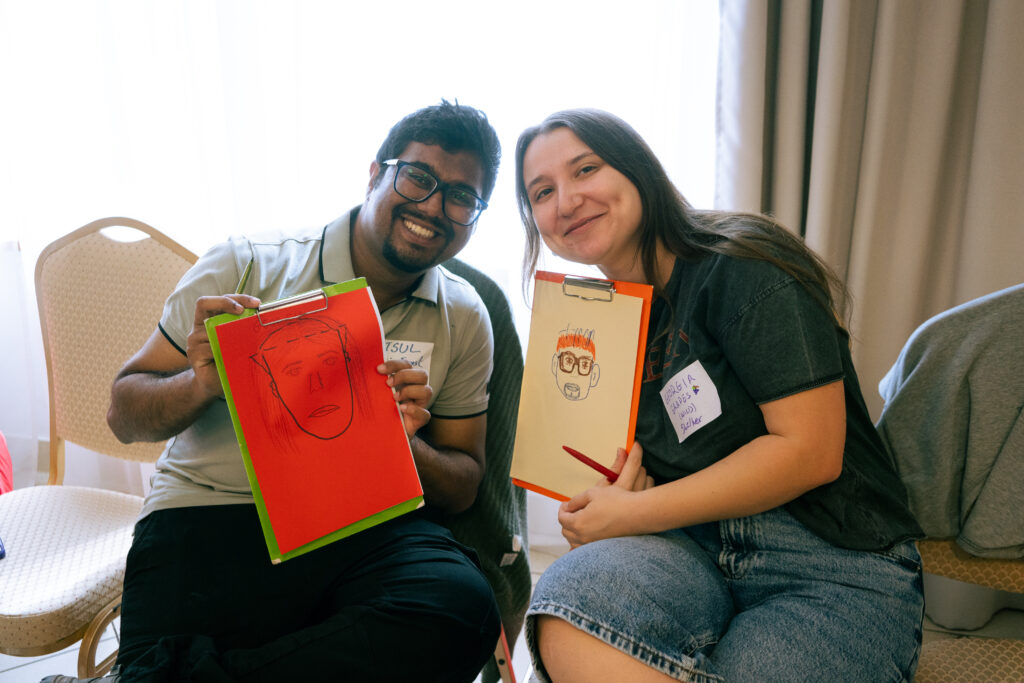
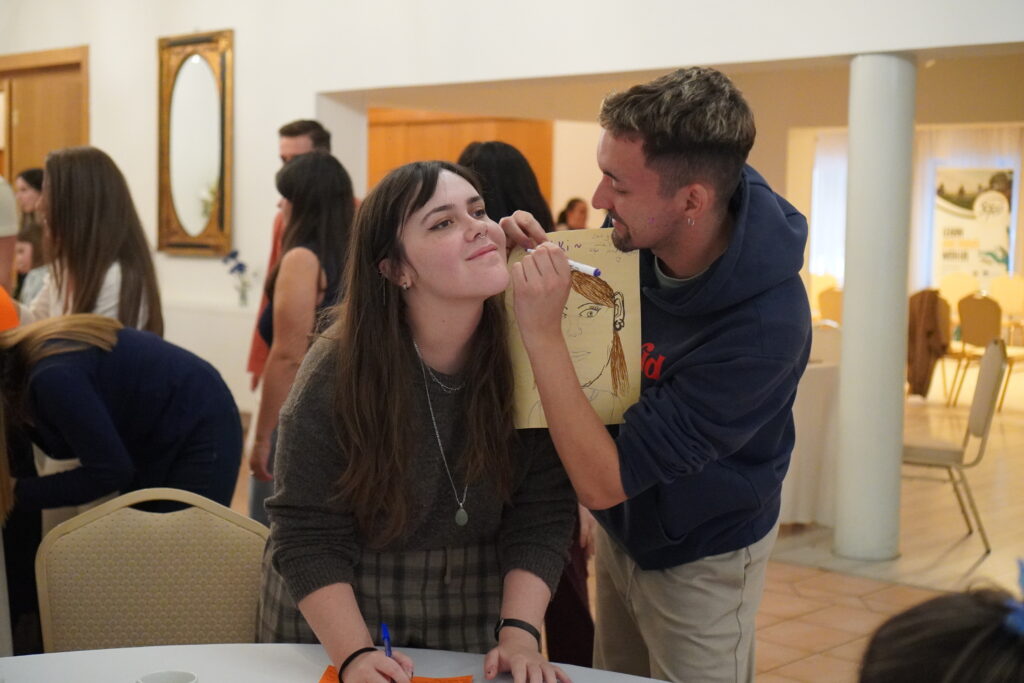
The first day was about getting to know each other and building connections. Participants had the opportunity to learn about each other on both personal and professional levels and create the safe and open atmosphere that would continue throughout the conference. Step by step, they also started exploring the topic of hate speech through games, interactive activities, plenary discussions, and group work. Participants shared their experiences and discussed how hate speech appears in their countries and communities. These exchanges showed both the similarities and differences in the realities young people face across Europe and beyond.
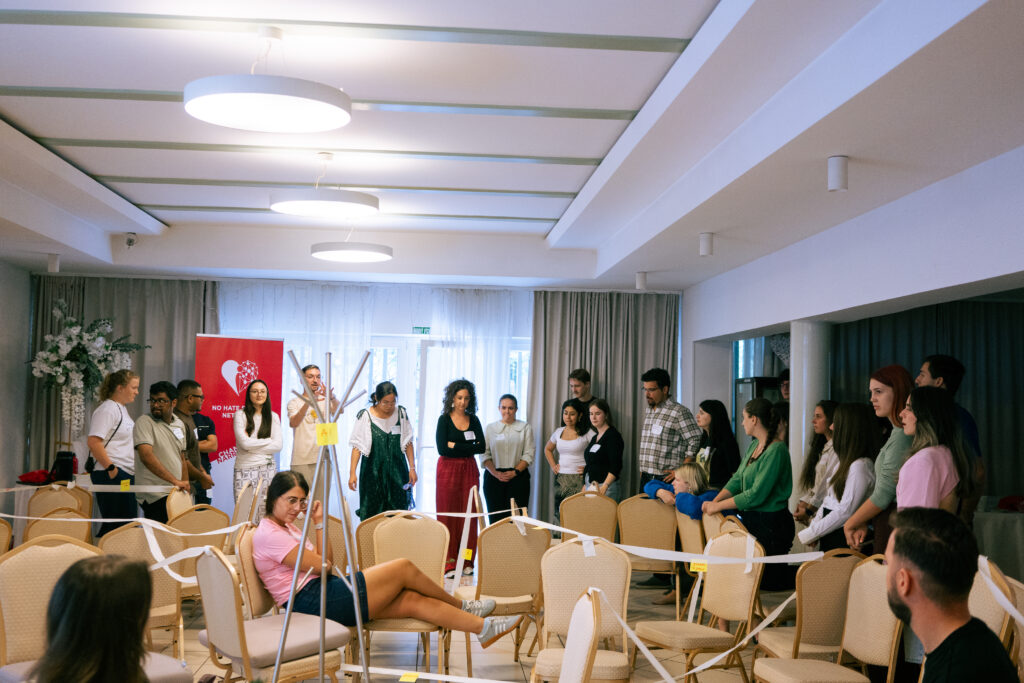
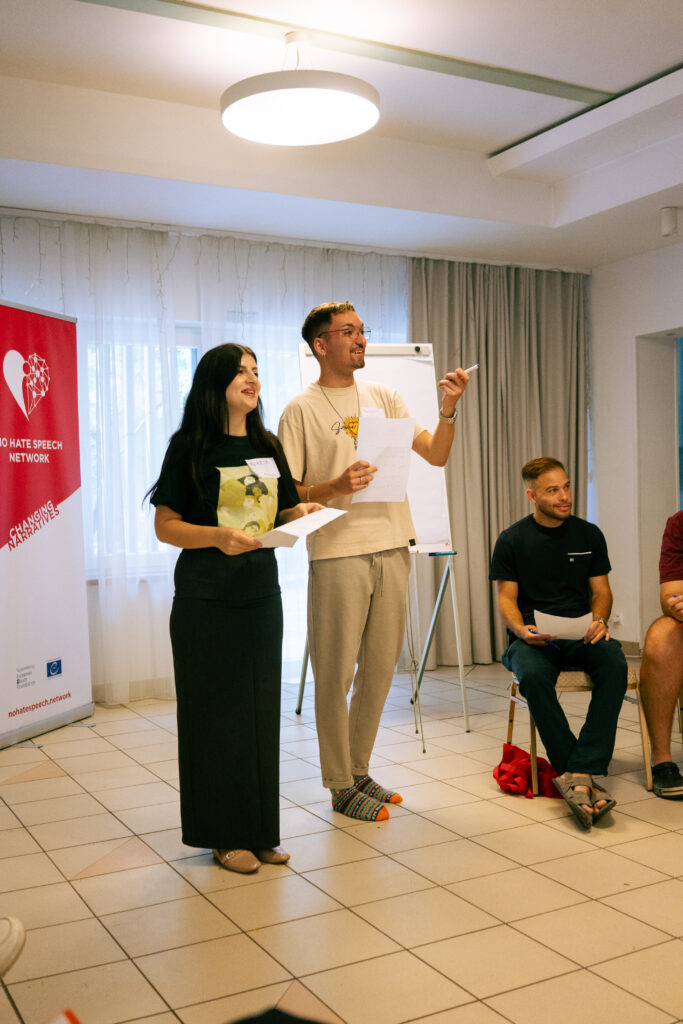
On the second day, participants went deeper into the topic with the support of experts. Stefan Manevski from the Council of Europe’s Anti-Discrimination and Inclusion Department introduced participants to Council of Europe tools and approaches for combating hate speech.
The conference also welcomed Martin Hodás, a journalist and expert working on AI and disinformation. He shared practical knowledge on how to recognise AI-generated content and understand how artificial intelligence can be used to create and spread hate speech. With AI becoming increasingly present in our everyday lives, this session gave participants an opportunity to think critically about new challenges and ways to respond to them.
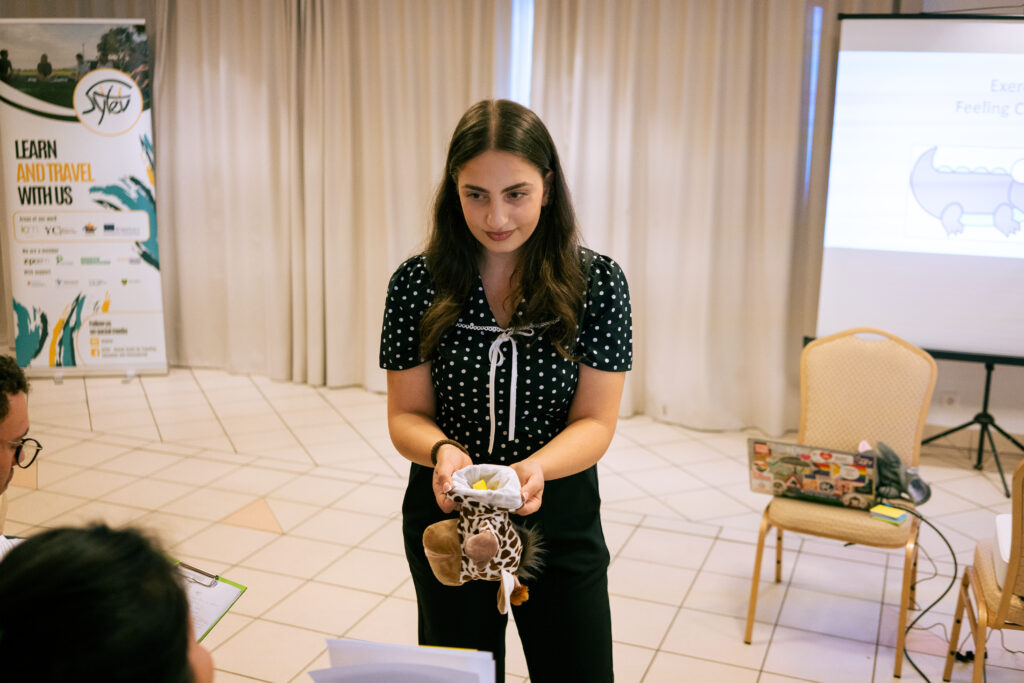
Learning was not only about expert input. Participants also shared their own knowledge and skills through sessions on creative content, non-violent communication, and public speaking. They had the opportunity to practise facilitating activities for international groups, strengthening their confidence and learning from one another.
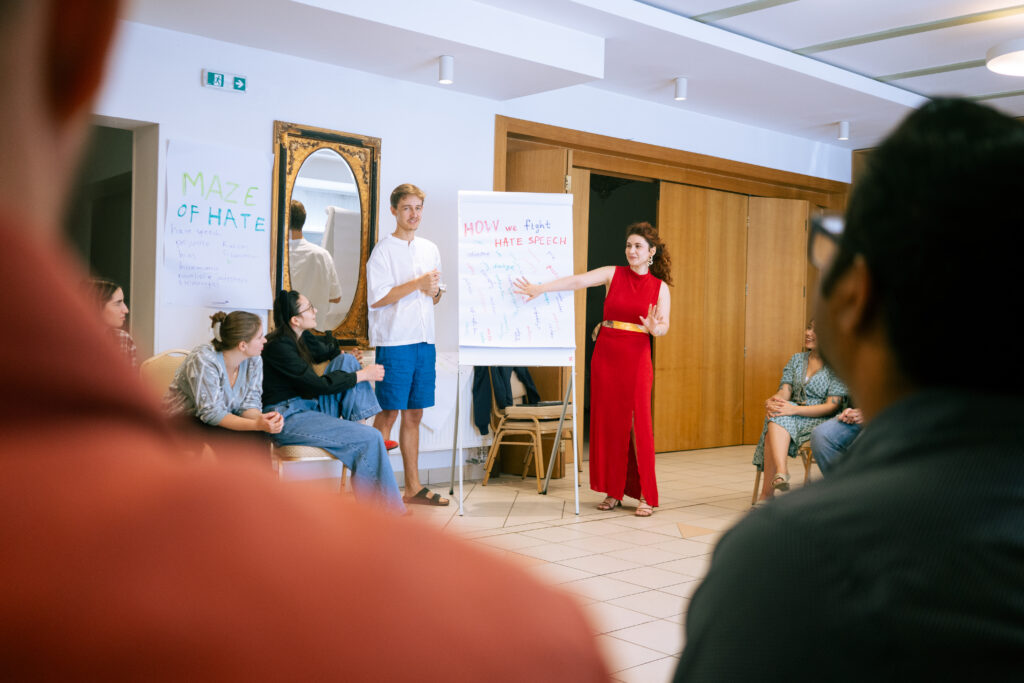
By the end of the day, participants used their creativity to imagine what they could do when they returned home. Through vision boards, they started developing their ideas for fighting hate speech in their own communities.
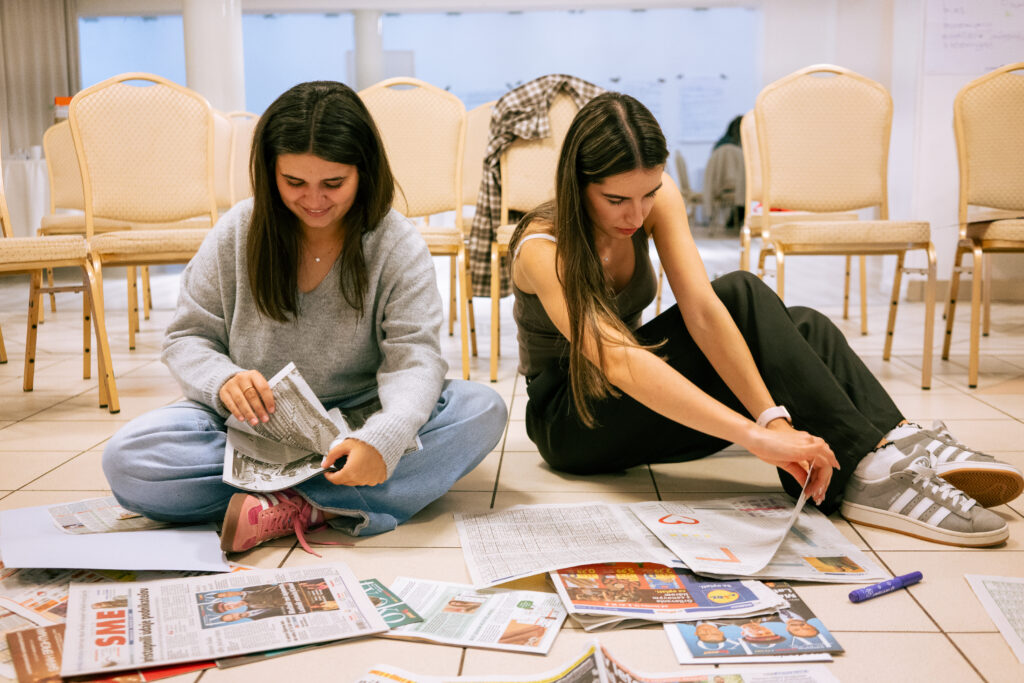
The third day was about turning those ideas into concrete plans. Using their vision boards as a starting point, participants worked on developing their projects and creating activity plans. They received guidance on how to structure their ideas, identify their needs, and think about the resources required to make their projects possible.
The natural surroundings of the conference venue, located in a forest, also became part of the learning process. Some sessions took place outdoors, giving participants a different environment to reflect, exchange ideas, and approach their projects from a new perspective.
The day ended in a more informal way. Participants explored Trenčín and had the opportunity to continue their conversations while discovering the local context and spending time together outside the formal programme.
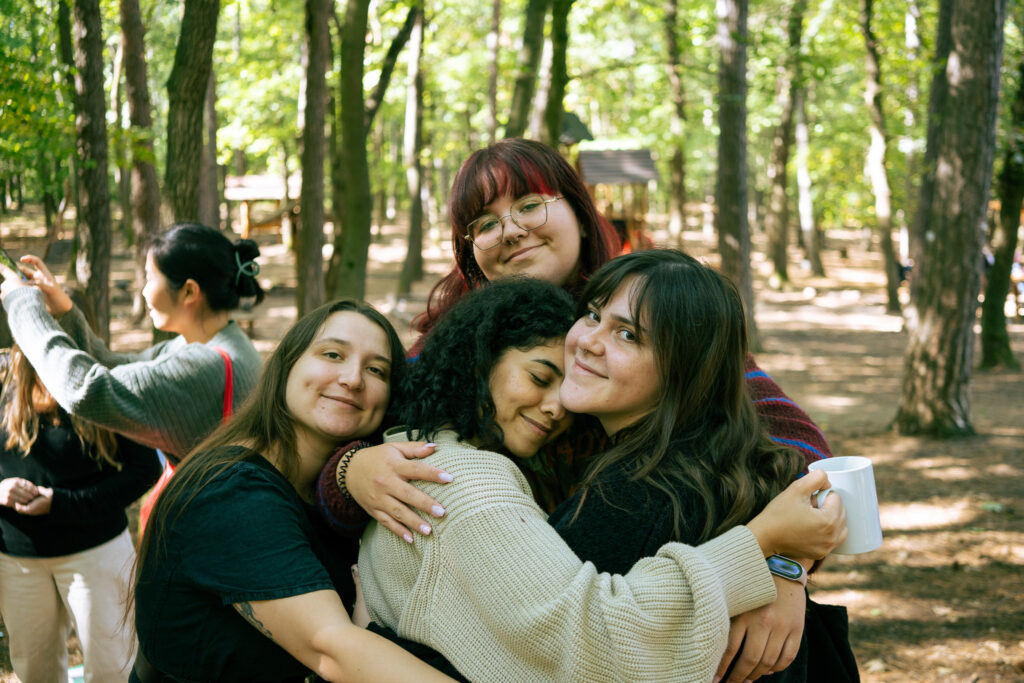
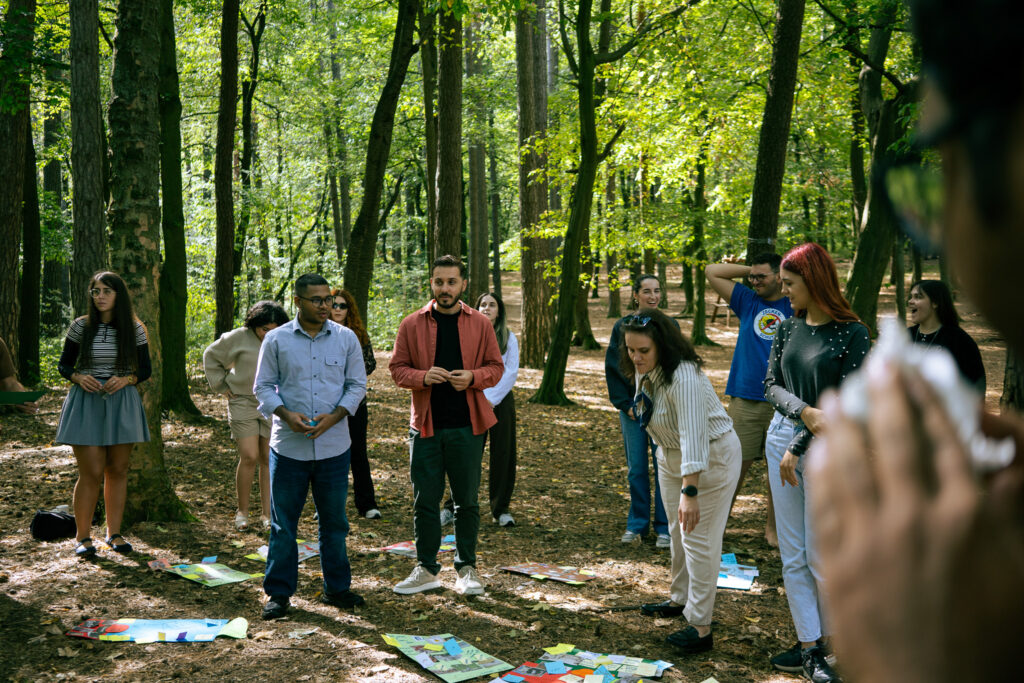
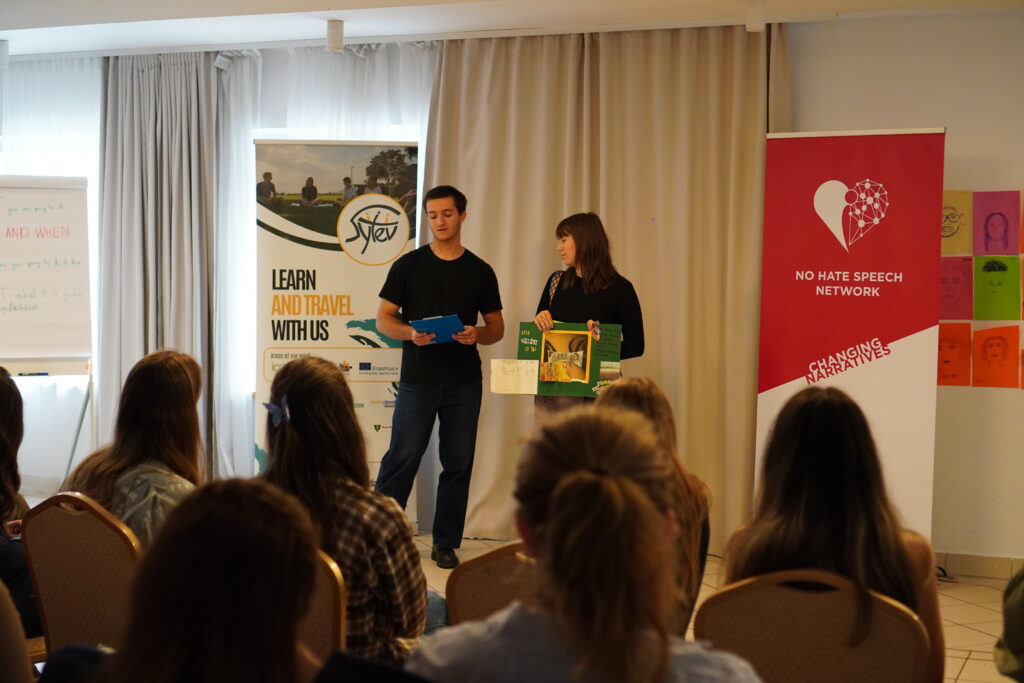
On the final day, participants presented their projects to the group and received feedback from their peers. This gave them an opportunity to look at their ideas from different perspectives, identify their strengths, and recognise the resources and support they would still need.
But the conference was not only about creating project plans. It was about creating connections and confidence to take the next step.
The activity ended with reflections, words of appreciation, shared impressions, and the celebration of participants’ achievements through the distribution of certificates. After four days of learning, creating, and connecting, participants left with new knowledge, new relationships, and, most importantly, concrete ideas to take back to their communities.
The “Changing Narratives: Youth in Action” conference showed once again that young people do not need to wait for change to happen. When they are given knowledge, tools, trust, and space to act, they can become powerful actors for human rights, equality, and democratic change in their own communities.
The activity was organised in the framework of the “Changing Narratives – National Youth Campaigns Against Hate Speech” project, supported by the European Youth Foundation of the Council of Europe.